Visual Balance

Principles of proportion, color harmony, and texture relationships

Balance Principles

Visual balance in outfit composition comes from understanding how different elements relate. Proportion, color, and texture each contribute to overall harmony. We examine these relationships systematically, identifying principles that can be applied consistently.

This approach is analytical rather than intuitive. By understanding how elements function, we can create coherent compositions reliably rather than relying on trial and error.
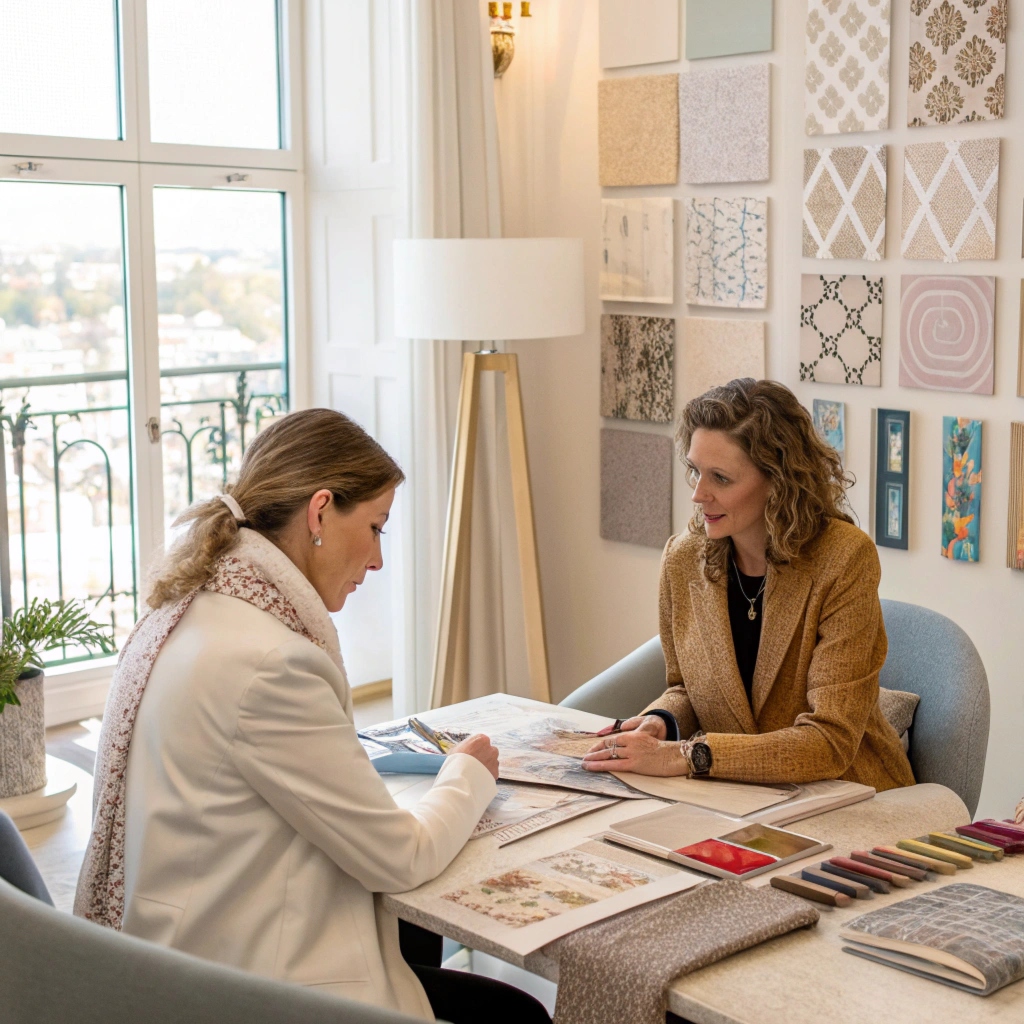
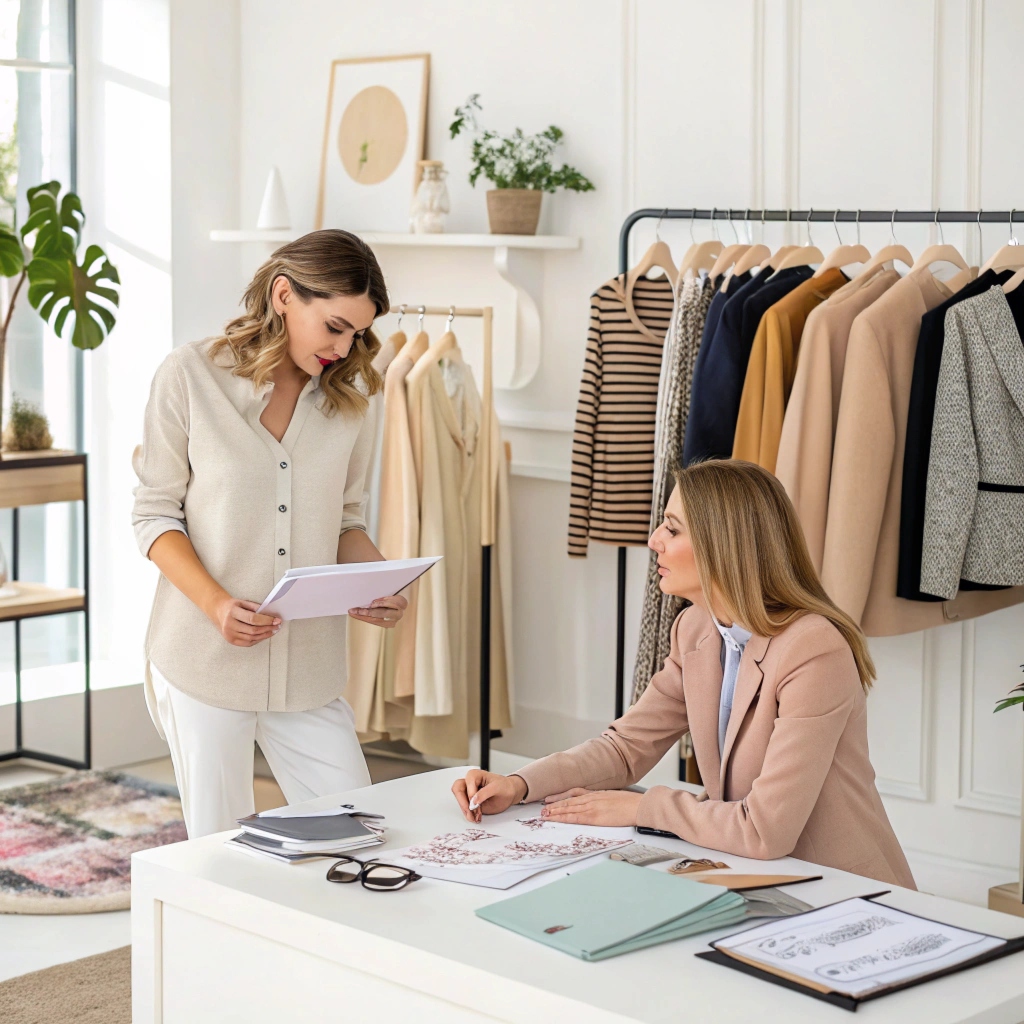
Proportion

Silhouette Balance

Understanding how different volumes and shapes relate creates visual harmony. Fitted pieces balance loose ones. Structured elements contrast with soft. Minimal details offset complex patterns. We examine these relationships to create balanced proportions.

Vertical and Horizontal

Proportion works both vertically and horizontally. Vertical lines create length and structure. Horizontal elements add width and stability. Understanding how to balance these creates outfits that feel intentional rather than accidental.

Visual Weight

Different elements carry different visual weight. Dark colors feel heavier than light. Textured fabrics have more presence than smooth. Understanding weight distribution helps create balance and prevent outfits from feeling top-heavy or bottom-heavy.

Color Harmony

Neutral Foundation

Neutrals anchor a color palette, providing stability and versatility. A well-structured wardrobe uses neutrals as foundation, allowing accent colors to function as focal points rather than overwhelming the composition.

Accent Function

Accent colors work in relation to neutrals. They add interest and personality without disrupting overall coherence. Understanding how many accents to include and where to place them creates balanced color relationships.

Seasonal Coherence

Color palettes can shift seasonally while maintaining underlying coherence. We examine how to transition between seasons without losing structural integrity, ensuring wardrobe continuity throughout the year.

Texture and Material

Material Weight

Different materials contribute different visual and tactile weight. Heavy fabrics like wool and denim feel substantial. Light materials like silk and linen feel delicate. Understanding these weights helps create balanced combinations.

Texture Contrast

Texture contrast adds interest: smooth against rough, matte against shiny, structured against fluid. These contrasts create visual rhythm without relying solely on color or pattern.

Functional Considerations

Material selection affects both aesthetic and function. We consider how fabrics perform in different contexts, how they care for over time, and how they contribute to overall outfit composition.

Applying Balance Principles

Practical Application

Understanding balance principles enables confident outfit composition. We examine how proportion, color, and texture work in your existing wardrobe, identifying successful combinations and the principles behind them.

This analysis creates a reference system for future decisions. Rather than guessing, you have clear guidelines for creating balanced compositions consistently.

Balance application

Balance Assessment Tools

Proportion Analysis

We document how different silhouettes and volumes work together in your wardrobe, identifying proportion principles that create visual harmony.

Color Mapping

Systematic documentation of color relationships reveals how neutrals and accents function in your palette, creating guidelines for future color choices.

Texture Evaluation

Analysis of material combinations shows how different textures work together, establishing principles for balanced material selection.

Common Balance Challenges

Balance challenges

Identifying Imbalances

Common challenges include top-heavy proportions, color overload, or texture conflicts. We identify these issues systematically and develop strategies for correction.

Understanding why an outfit feels unbalanced enables targeted solutions. Rather than replacing everything, we adjust specific elements to restore harmony.

Integrated Approach

Proportion, color, and texture work together rather than in isolation. A balanced outfit considers all three elements simultaneously. During consultation, we examine how these principles apply to your existing wardrobe and develop guidelines for future compositions.

This systematic approach creates reliability. Rather than depending on intuition alone, you have principles to reference when composing outfits or considering new purchases.